Solutions
-
Enterprise Factory
Revolutionize manufacturing with smart factories and efficient production.
-
Cultural Heritage Tourism
Uncover history, embrace culture - unforgettable heritage journeys await.
-
Real Estate Sales
Dream homes, prime properties - find your perfect space.
-
Visual Arts
Ignite creativity, showcase masterpieces - where art comes alive.
-
Exhibition Hall
Stunning displays, immersive showcases - your story, our stage.
-
Commercial Retail
Shop, discover, indulge - a retail experience like no other.
-
Industrial Park
Prime spaces, endless opportunities - fuel your business growth.
-
Smart Home
Intelligent living, effortless comfort - the future of your home.
-
Art Space
Cloud-Borne Art Realm, A Walk Through Myriad Visions



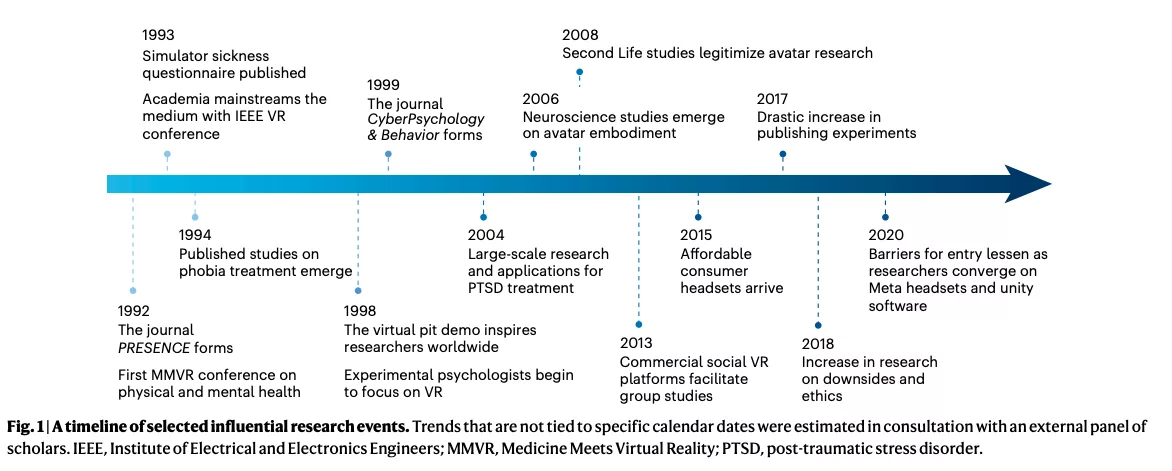
A research team from Stanford University summarized 30 years of psychological research on enhancing VR experiences.
A research team from Stanford University summarized three decades of psychological research on VR and published five key points for maximizing the effectiveness of VR experiences. Led by Jeremy Beilenson from Stanford University's School of Communication, the study was co-authored with Sian Deveau and their colleagues, and published in the journal Nature Human Behaviour. In the paper, the findings are defined as results that have been repeatedly confirmed through years of research.
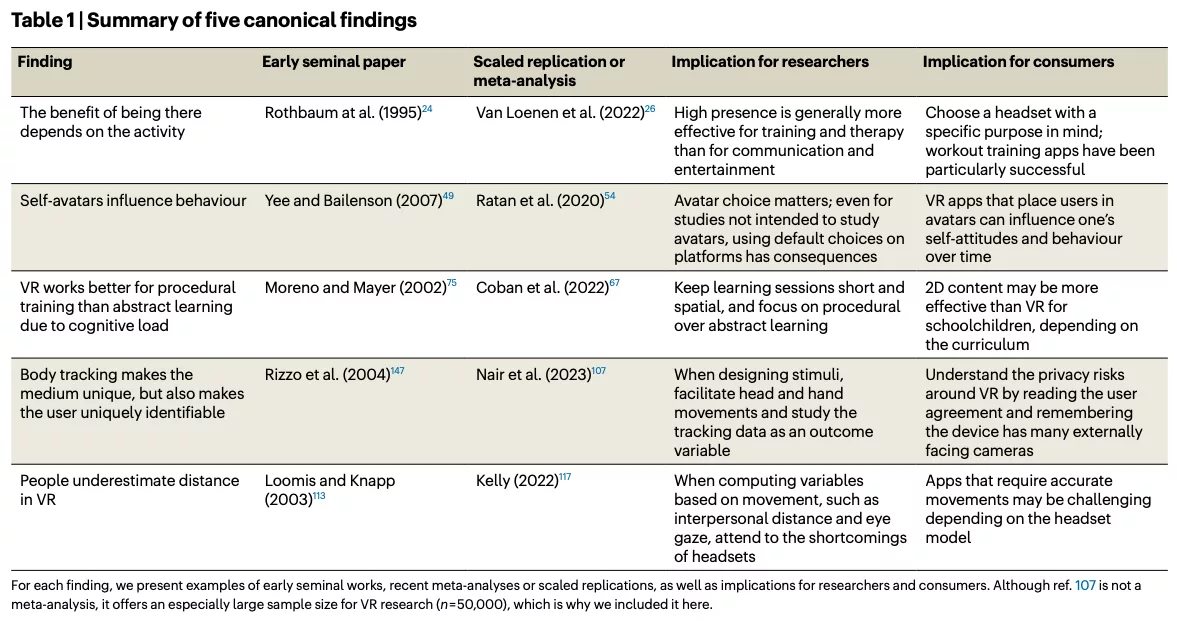
First, the effectiveness of VR technology depends on its intended use. VR is highly effective in areas requiring a high level of immersion, such as training and psychotherapy, but it does not necessarily deliver direct benefits in entertainment and communication.
Second, avatars in VR influence user behavior. It is claimed that an avatar's appearance and movements shape the user's psychological state and real-world behavior.
Third, VR is more effective for procedural training involving specific hands-on tasks than for abstract learning. It has been noted that the effectiveness of this approach is limited, as abstract content—typically taught in traditional school settings—imposes a heavy cognitive load on students.
Fourth, the importance of body tracking in VR. While the ability to track users' body movements in real time provides clues for analyzing the relationship between cognition and behavior, privacy risks must also be addressed.
Fifth, people tend to perceive distances in virtual spaces as shorter than they actually are. Reports indicate that this misperception can impact activities that require spatial awareness.
DICE is an acronym for Dangerous, Impossible, Counterproductive, and Expensive, emphasizing the importance of using VR under these conditions. Specifically, firefighter training, stroke rehabilitation, and climate change experiences are suggested as examples. On the other hand, Beilenson noted that tasks such as checking emails, watching TV, and general office work have little need for VR—they are better suited for traditional 2D screens.
Other News
-

Stunning Launch! 3D Aerial Tour of Hainan Qingshui Bay, Unlocking a New Vision of the City
-

Capture Cloud Hyper-Realistic Digital Humans Usher in a New Era of AIGC and Redefine Virtual Interactive Experiences
-
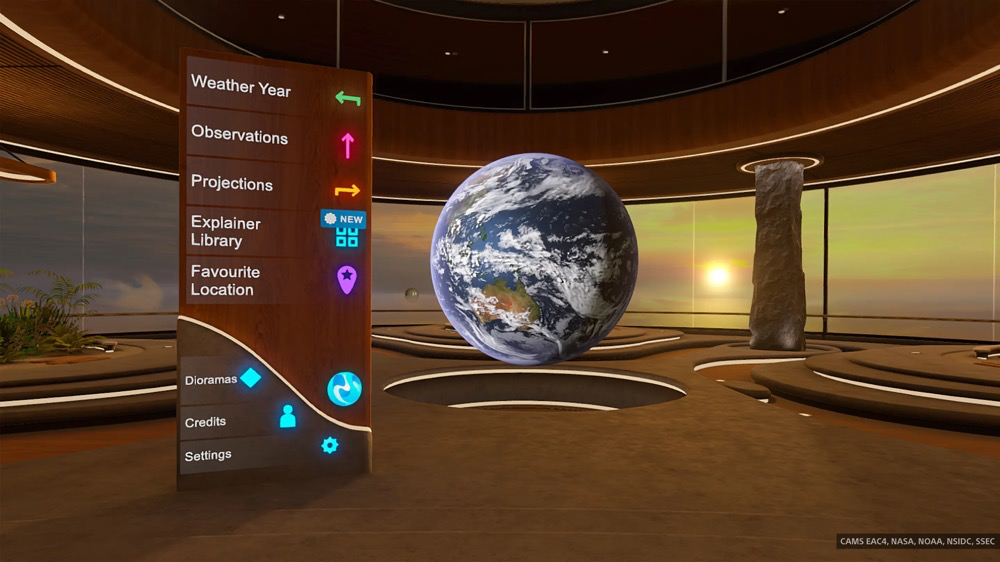
Gaming Innovation Empowers New Ways to Understand Climate Change: Climate Station Launches on PS VR2