Solutions
-
Enterprise Factory
Revolutionize manufacturing with smart factories and efficient production.
-
Cultural Heritage Tourism
Uncover history, embrace culture - unforgettable heritage journeys await.
-
Real Estate Sales
Dream homes, prime properties - find your perfect space.
-
Visual Arts
Ignite creativity, showcase masterpieces - where art comes alive.
-
Exhibition Hall
Stunning displays, immersive showcases - your story, our stage.
-
Commercial Retail
Shop, discover, indulge - a retail experience like no other.
-
Industrial Park
Prime spaces, endless opportunities - fuel your business growth.
-
Smart Home
Intelligent living, effortless comfort - the future of your home.
-
Art Space
Cloud-Borne Art Realm, A Walk Through Myriad Visions


Meta has updated its research on sEMG wristband for input, published in Nature.
The latest issue of Nature published Meta’s newly peer-reviewed article, which details the company’s R&D in this area and validates sEMG as an intuitive and seamless input method applicable to most people.
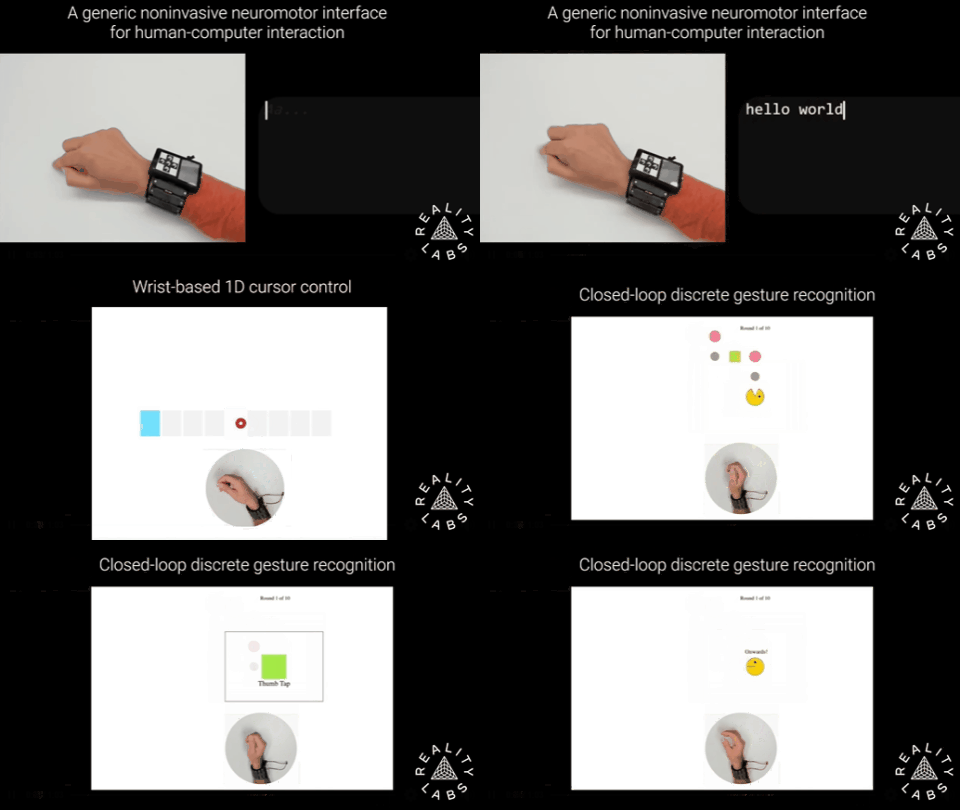
Meta believes that sEMG not only enables intuitive and seamless mobile interaction with devices but also supports the work of external research laboratories. These studies indicate that the technology is inherently inclusive, as it is suitable for people with diverse physical abilities and characteristics.
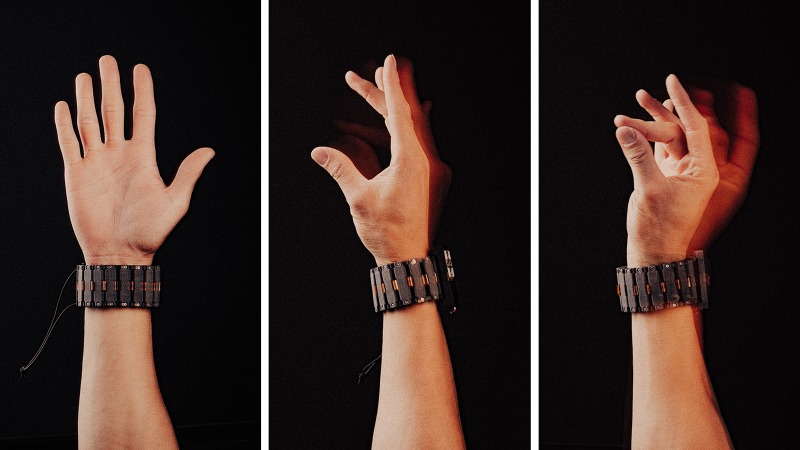
sEMG can recognize the user's intent to perform a variety of gestures, such as tapping, swiping, and pinching—all of which can be done with the hand naturally hanging at the side. With Meta's handwriting recognition technology, users can also quickly record information on hard surfaces like desktops, tables, or even legs, opening up new possibilities for discreet communication on the move.
Other News
-

Capture Cloud Hyper-Realistic Digital Humans Usher in a New Era of AIGC and Redefine Virtual Interactive Experiences
-
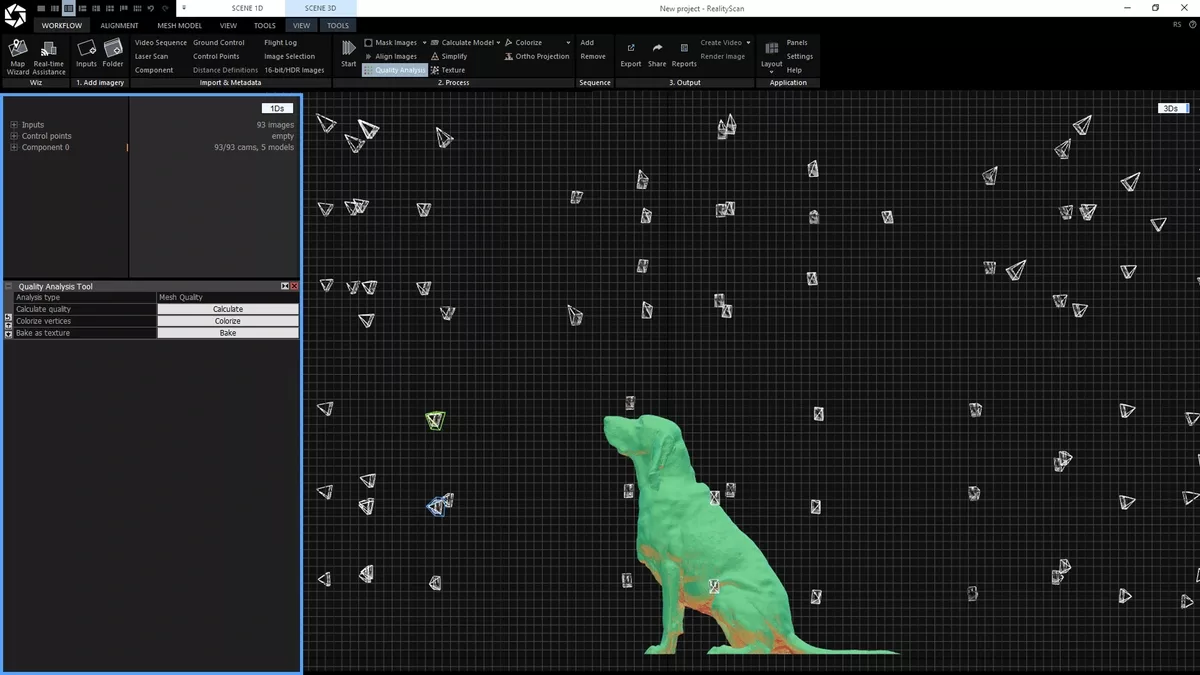
The 3D scanning tool "RealityCapture" has been renamed "RealityScan", and its new version will feature updated AI functions
-
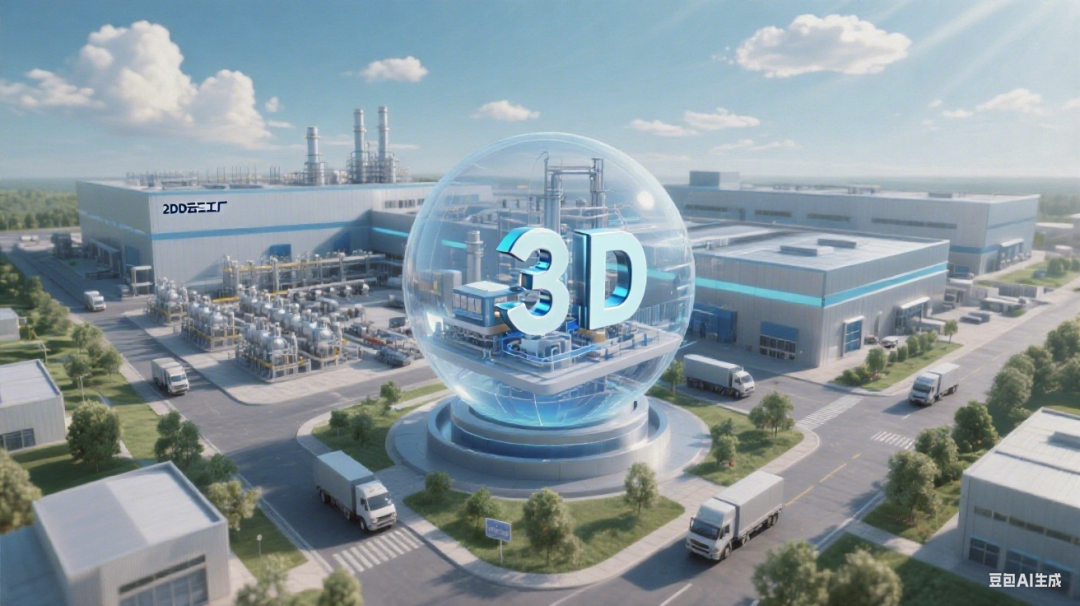
A New Era of "Cloud Factory Tours"! Puleisi × Capture Cloud: Reconstructing Factory Visit Models with 3D Real Scenes